CLARIFICATION
Water & wastewater
Coagulation for sewage purification and water treatment. Drinking water applications require grade-specific approval and compliance checks.
LIQUID POLYAMINE COAGULANT
A versatile cationic polymer for water clarification and anionic trash control. Explore the right polyamine grade for your process.
THE PRODUCT
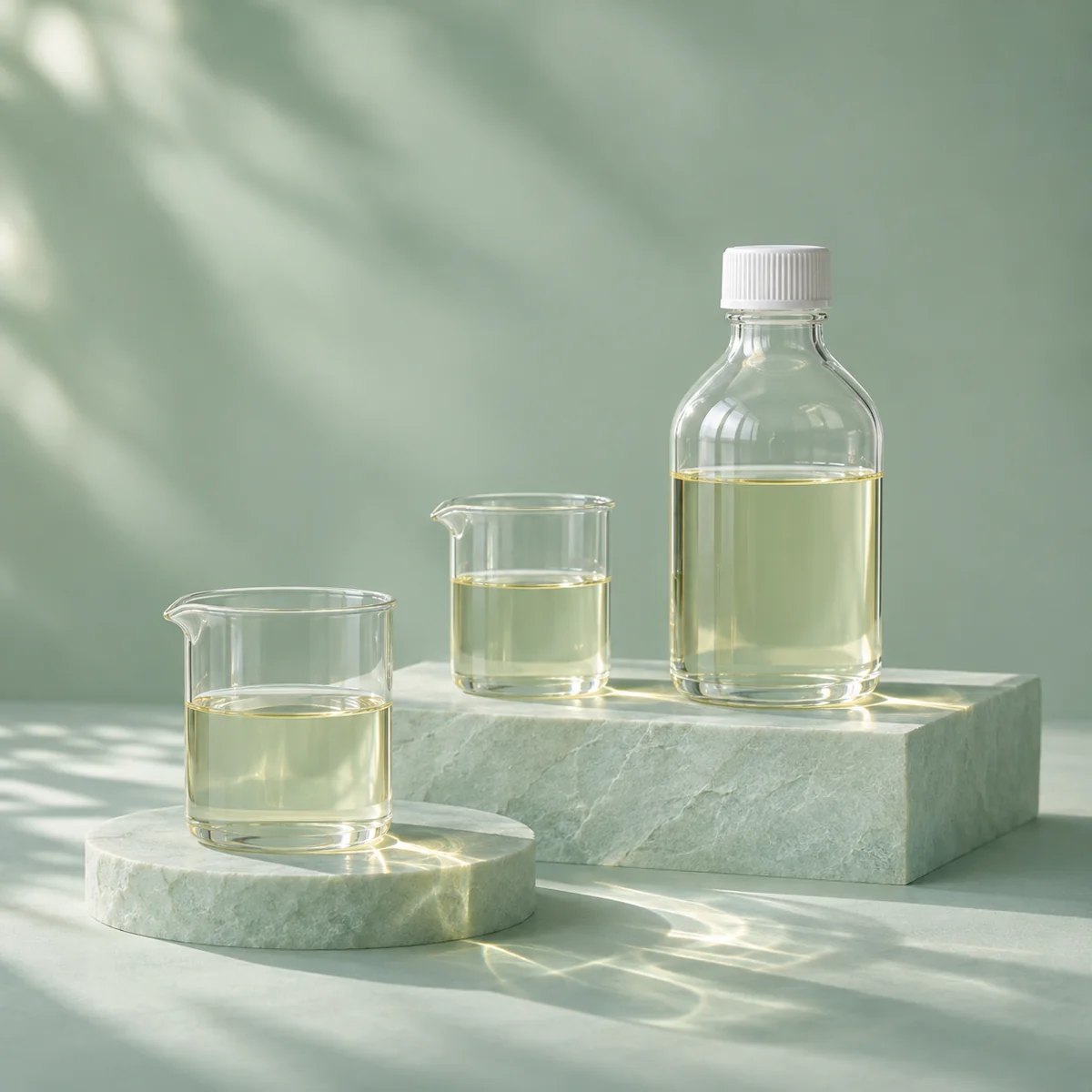
Polyamine is a colorless to light yellow transparent liquid used as an organic coagulant in water treatment. In paper mills, it also acts as an anionic trash catcher in white water systems.
Readily soluble in water, it offers a practical liquid format for dilution and dosing. The technical data sheet describes stable performance and low sensitivity to pH changes.
Easy to prepareWater-soluble liquid for on-site dilution.
Flexible grade selectionSix viscosity ranges for process evaluation.
Two core functionsWater coagulation and papermaking charge control.
APPLICATIONS
From industrial effluent to paper mill white water, select and validate polyamine around your actual process conditions.
Coagulation for sewage purification and water treatment. Drinking water applications require grade-specific approval and compliance checks.
Anionic trash control for papermaking white water circuits.
Coagulation for oily oilfield wastewater and mining or drilling wastewater.
A treatment option for printing and dyeing wastewater, evaluated by jar testing.
Application photographs are AI-generated illustrations, not photographs of our facilities.
PRODUCT GRADES
Compare the published viscosity specifications. All standard grades share the same solids content, appearance and product pH range.
| Grade | Viscosity / cPs | Solids / % | pH | Select grade |
|---|---|---|---|---|
| AC0021 | 50-100 | 50±1 | 4-7 | Enquire ↗ |
| AC0022 | 100-300 | 50±1 | 4-7 | Enquire ↗ |
| AC0023 | 300-600 | 50±1 | 4-7 | Enquire ↗ |
| AC0024 | 600-1,000 | 50±1 | 4-7 | Enquire ↗ |
| AC0025 | 1,000-3,000 | 50±1 | 4-7 | Enquire ↗ |
| AC0026 | 3,000-6,000 | 50±1 | 4-7 | Enquire ↗ |
Appearance: colorless to light yellow transparent liquid. Viscosity test conditions are not specified in the supplied TDS; confirm them for qualification.
PROCESS & HANDLING
A considered trial is the starting point for effective treatment. Confirm your grade and dosing conditions before full-scale use.
Review the wastewater source, pH, turbidity, color and treatment objectives.
The TDS recommends 10-40-fold dilution before use. Run jar tests to establish a suitable grade and dose.
Confirm mixing, dosing and compatibility under actual process conditions before scaling up.
PACKAGING
STORAGE & SHELF LIFE
Store in a cool, dry, dark place. Avoid contact with strong oxidants. The TDS lists a shelf life of two years.
The TDS describes transport as non-dangerous goods. Obtain the current SDS and confirm the classification applicable to your shipment.
TECHNICAL RESOURCES
Review the original technical data sheet for specifications, recommended preparation, packaging and storage.
PDFPolyamine technical data sheetOriginal product document · EnglishView the original product sample photograph ↗Product and application scenes are AI-generated illustrations.
Request a current SDS and batch-specific COA before procurement or qualification.
COMMON QUESTIONS
It is used as a coagulant for water treatment, sewage purification, oilfield oily wastewater and mining or drilling wastewater. It also serves as an anionic trash catcher in papermaking white water.
The product technical data sheet lists CAS 39660-17-8.
AC0021 through AC0026 cover viscosity ranges of 50-100, 100-300, 300-600, 600-1000, 1000-3000 and 3000-6000 cPs. All list 50±1% solid content and product pH 4-7. Custom viscosity is available on request.
Use jar testing and site trials. The TDS recommends 10-40-fold dilution but does not specify a treated-water volume for its example dose, so a universal dosing rate cannot be derived from it.
The TDS lists drinking water treatment as an application, but the supplied documents do not include a drinking water certification. Confirm grade-specific approvals and local requirements before use.
Standard packaging is a 200 kg PE drum or a 1000 kg IBC tank. Keep sealed in a cool, dark, dry place, away from strong oxidants. The stated shelf life is two years.
LET’S TALK CHEMISTRY
Looking for a standard grade, a custom viscosity or technical documentation? Share a few details to begin the conversation.
info@chem.net ↗